Winter Electrical Safety Tips for Homes in Parma, OH
February 28, 2026
Northeast Ohio winters are notoriously harsh, with freezing temperatures, heavy snowfall, and extended periods of icy conditions. For homeowners in Parma, OH, this season brings more than just the challenge of staying warm—it also introduces critical electrical safety concerns. As families turn to space heaters, heated blankets, and other supplemental heating devices, the risk of electrical overloads, fires, and equipment malfunctions rises significantly. Cold weather can exacerbate existing issues in a home’s electrical system, particularly in older houses with outdated wiring, undersized circuits, or deteriorating outlets. Understanding these risks is essential for maintaining both safety and comfort throughout the winter months.
Electrical hazards in winter often remain hidden until they escalate into emergencies. Ice-laden roofs and frozen pipes can indirectly affect wiring, while overworked heating devices may trip breakers or spark fires. Simple preventative measures, when applied consistently, can significantly reduce these risks. From proper space heater usage to routine inspections of electrical panels, homeowners can take proactive steps to safeguard their properties. This article explores actionable winter electrical safety tips tailored specifically to homes in Parma, OH, providing practical guidance, expert reasoning, and best practices for managing electrical systems during the coldest months of the year.
1. Understanding How Cold Weather Impacts Electrical Systems
The Effect of Low Temperatures on Wiring
Cold temperatures can cause wiring insulation to become brittle, particularly in older homes where materials have aged over decades. Brittle insulation increases the risk of exposed wires, short circuits, and even electrical fires. Homes built before the 1980s may still have aluminum wiring, which contracts and expands with temperature fluctuations, leading to loose connections and increased resistance. Loose or degraded connections create hotspots that can ignite flammable materials, making winter a particularly risky period for such homes.
Increased Electrical Demand in Winter
Winter often brings higher energy consumption as heating systems work harder to maintain indoor comfort. Space heaters, electric blankets, and portable heating units can collectively place significant load on circuits not designed for heavy, sustained use. Overloading circuits can cause breakers to trip, outlets to overheat, or, in severe cases, fires. Homeowners may not realize that using multiple high-wattage devices simultaneously in older homes can strain wiring beyond safe operational limits.
Real-World Scenario
Consider a Parma home with a decades-old electrical panel. The homeowner uses a window-mounted electric heater in the living room while running a kitchen appliance and a home office setup. Over time, repeated high-demand usage causes a hidden wire connection to loosen. One evening, the homeowner notices a faint burning smell—an early indicator of overheating wiring. This situation exemplifies how cold weather combined with electrical stress can precipitate emergencies.
2. Space Heater Safety in the Home
Choosing the Right Heater
Not all space heaters are created equal. Infrared and oil-filled radiators tend to distribute heat evenly and are generally safer for prolonged use, while ceramic heaters provide quick heat but can overheat if left unattended. When selecting a heater, homeowners should look for UL certification, tip-over protection, and automatic shut-off features. Choosing appropriately sized heaters for the room also prevents overloading circuits.
Safe Placement and Usage
Placement is critical to prevent fire hazards. Space heaters should be kept at least three feet away from curtains, furniture, and other flammable items. Avoid using extension cords, as they may not handle the high wattage of heaters and can overheat. Instead, plug heaters directly into wall outlets. Additionally, never leave a heater running unattended, especially overnight or when leaving the house.
Routine Maintenance
Regularly inspecting heaters for frayed cords, cracked plugs, or dust buildup can prevent malfunctions. Dust accumulation inside a heater can ignite when the device reaches high temperatures. Annual cleaning and proper storage during off-seasons further extend the life of these devices and maintain their safety.
3. Older Wiring: Hidden Winter Hazards
Signs of Aging Wiring
Homes with outdated electrical systems may have cloth-insulated wires, knob-and-tube wiring, or aluminum wiring. Signs that a system needs attention include flickering lights, frequent breaker trips, discolored outlets, or a persistent burning smell near outlets and switches. Older wiring may not meet current safety standards, making it more vulnerable under winter electrical stress.
Risks During Snow and Ice Seasons
Moisture from snow or ice that enters a home through leaks or condensation can interact with faulty wiring, increasing the risk of short circuits or shocks. Cold temperatures further exacerbate the brittleness of insulation, as mentioned earlier. Homeowners may unknowingly use high-load devices on circuits that are unsafe, creating a ticking time bomb for electrical fires.
Preventative Measures
Homeowners should schedule professional inspections for electrical systems at least once a year. An electrician can assess circuit loads, check for outdated wiring, and recommend necessary upgrades such as replacing old panels, installing GFCI outlets, or rewiring unsafe sections of the home. Proactive updates reduce winter risks and increase the overall safety and efficiency of the electrical system.
4. Winter Electrical Safety Best Practices
Circuit Management
Avoid overloading circuits by limiting high-wattage devices on a single breaker. Ideally, distribute space heaters and other electrical appliances across multiple circuits. Use dedicated circuits for devices that draw substantial power, such as electric ovens or high-capacity heaters.
Preventing Electrical Fires
Install smoke detectors near sleeping areas and heating devices, and test them monthly. Fire extinguishers should be accessible in living rooms, kitchens, and other high-risk areas. Homeowners should familiarize themselves with fire safety protocols and have an evacuation plan in place.
Energy Efficiency and Safety
Modern energy-efficient devices are generally safer and less likely to overheat. Consider switching to energy-efficient space heaters or supplemental heating systems that maintain warmth without placing excessive strain on the electrical system. Smart plugs with timers can also prevent prolonged unattended use.
Case Example
A Parma family upgraded their old breaker panel and replaced several outdated outlets before winter. They also purchased UL-certified space heaters with tip-over protection. By monitoring circuit usage and maintaining their heaters, they were able to enjoy a warm, safe home without tripping breakers or worrying about fire hazards.
5. Tips for Maintaining Electrical Panels and Outlets
Inspecting Electrical Panels
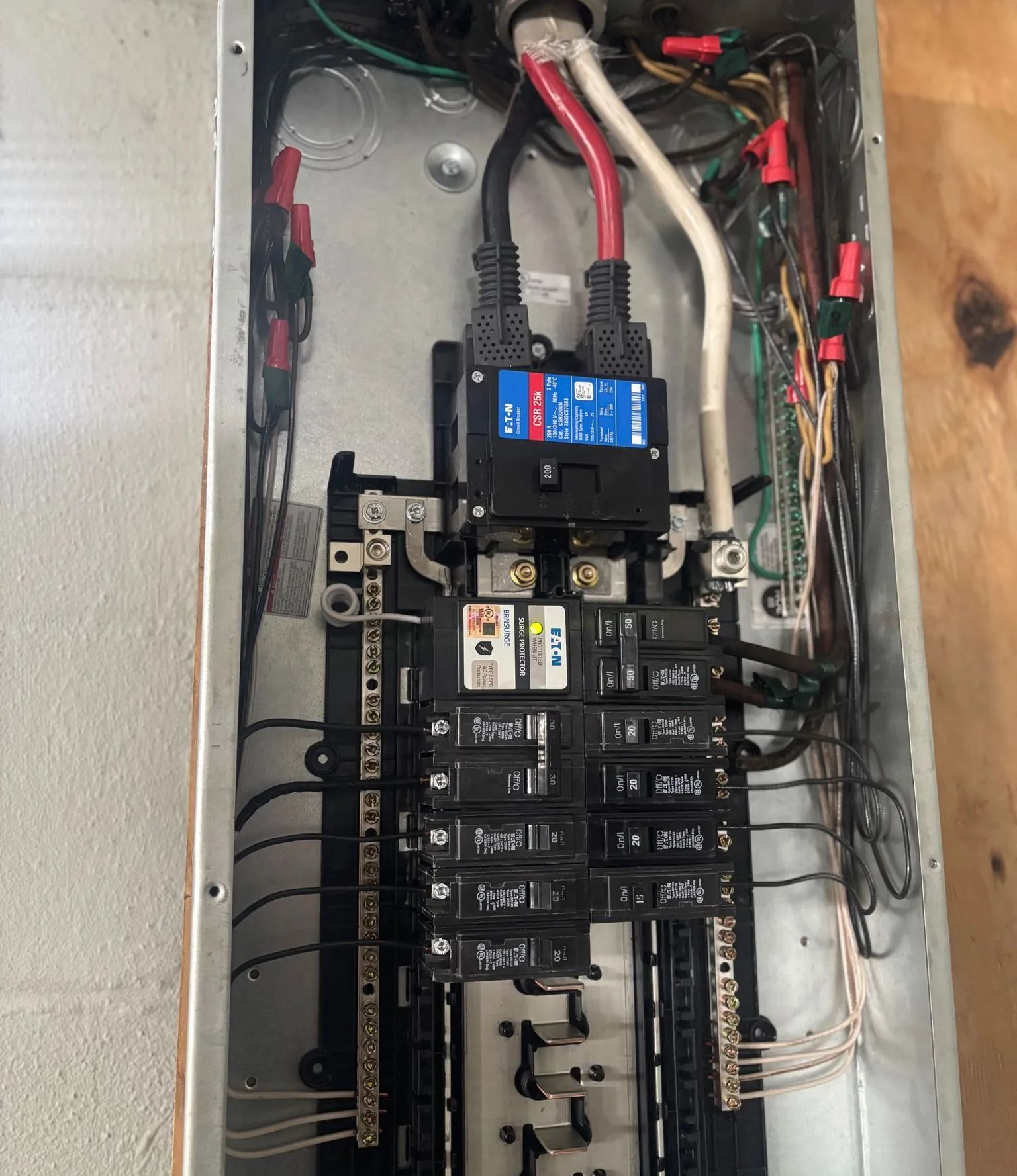
Panels should be checked for signs of wear, rust, or corrosion. Circuit breakers that frequently trip may indicate overloaded or malfunctioning circuits. Panels in older homes may lack sufficient capacity for modern energy demands, especially in winter, and should be upgraded when necessary.
Outlet Safety
Avoid plugging multiple high-wattage appliances into a single outlet. GFCI (Ground Fault Circuit Interrupter) outlets in kitchens, bathrooms, and basements add an extra layer of safety against electrical shock, especially in areas prone to moisture. Testing outlets periodically ensures they function correctly.
Professional Intervention
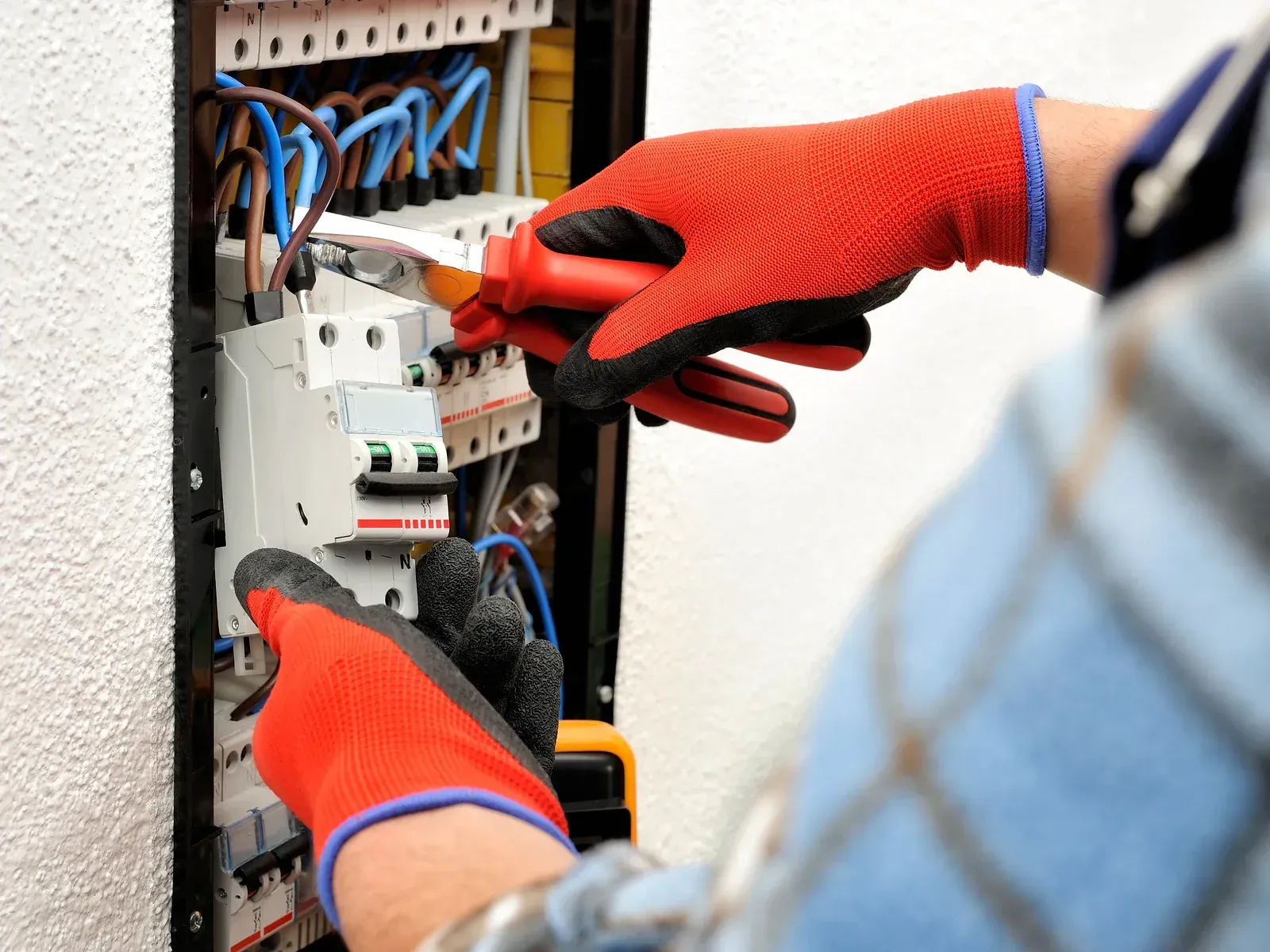
Any panel or outlet issues should be handled by a licensed electrician. Attempting DIY repairs in winter, when circuits may already be under stress, can increase the risk of shock, fire, or permanent damage. An electrician can also assess the home’s capacity for additional heaters or winter devices, preventing overload before it becomes a problem.
6. Winter-Specific Electrical Safety Challenges
Frozen Pipes and Moisture Hazards
Leaking or frozen pipes can introduce water near electrical outlets or wiring, dramatically increasing the risk of shock or fire. Homeowners should monitor pipes, insulate vulnerable sections, and address leaks promptly to minimize hazards.
Holiday Lighting Considerations
Decorative lights, though festive, can strain circuits and create fire risks if overused or improperly installed. Opt for LED holiday lights, which consume less power and generate less heat. Ensure outdoor lights are rated for wet conditions and avoid connecting multiple strands beyond manufacturer recommendations.
Power Outages and Backup Systems
Winter storms can cause power interruptions, leading homeowners to use generators or backup heating systems. Always follow manufacturer safety instructions for generators, ensuring proper ventilation to prevent carbon monoxide buildup. Avoid connecting generators directly to home circuits without a transfer switch, which should be installed by a licensed electrician.
Emergency Preparedness
Having a winter emergency kit with flashlights, batteries, and backup power options helps homeowners stay safe during outages. Additionally, maintaining a list of local electricians ensures timely assistance if electrical issues arise during extreme weather conditions.
Professional Electrical Support for Cold Weather Preparedness
Winter in Parma, OH, demands heightened attention to home electrical safety. Cold temperatures, increased appliance use, older wiring, and moisture hazards all contribute to elevated risks during the season. Homeowners can significantly reduce the chance of electrical incidents by understanding how cold weather affects wiring, practicing safe space heater usage, maintaining electrical panels and outlets, and addressing aging systems with professional inspections. Proactive measures—such as distributing circuits, upgrading outdated panels, and installing safety devices like GFCI outlets and smoke detectors—ensure both comfort and safety throughout the winter months. By incorporating these strategies, families can enjoy warmth and peace of mind without compromising the integrity of their home’s electrical infrastructure.
For residents in Parma seeking trusted expertise, XH Electric, LLC offers 10 years of professional electrical services tailored to winter safety needs. Our licensed electricians provide thorough inspections, safe panel upgrades, and guidance on space heater use, ensuring your home is prepared for harsh winter conditions. With a commitment to safety, efficiency, and customer satisfaction, XH Electric, LLC is your reliable partner for protecting your home and family during Northeast Ohio’s coldest months.