Does Your Home Need a Panel Upgrade? Signs Many Ohio Homes Overlook
March 26, 2026
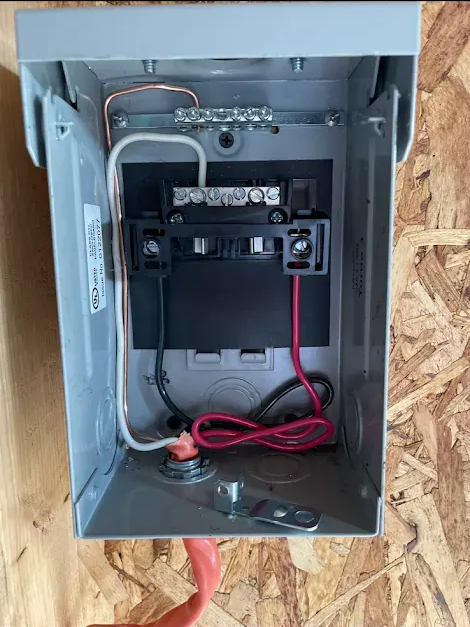
Homes built decades ago across older neighborhoods in Parma and throughout Lorain County were designed for a very different electrical demand than what modern families require today. At the time, electrical systems were expected to support basic lighting, a few appliances, and limited electronic devices. Today’s households rely on high-powered kitchen equipment, home offices, entertainment systems, electric vehicles, and smart home technology. This dramatic increase in electrical usage places significant strain on outdated electrical panels that were never designed to carry such loads.
Unfortunately, many homeowners remain unaware that their electrical panel may be underperforming or even unsafe until noticeable problems begin to appear. Flickering lights, frequent breaker trips, and the inability to add new circuits are often dismissed as minor inconveniences rather than early warning signs of a larger issue. Understanding when a panel upgrade is necessary is essential for protecting property, ensuring safety, and maintaining compliance with current electrical codes. By recognizing the overlooked signs and understanding the long-term benefits of upgrading, homeowners can make informed decisions that safeguard their homes and support modern electrical demands without risking system failure or fire hazards.
Why Electrical Panels Become Outdated Over Time
Increased Electrical Demand in Modern Homes
When many homes in Parma and Lorain County were constructed, electrical panels were typically rated between 60 and 100 amps. At the time, this capacity was sufficient to power lighting, a refrigerator, and perhaps a television. Today, however, households commonly operate multiple computers, large HVAC systems, dishwashers, electric dryers, and charging stations simultaneously. This level of consumption can easily exceed the limits of older panels, leading to overheating and frequent breaker trips.
Modern electrical usage patterns have transformed the role of the electrical panel from a simple distribution point into a critical safety component that must regulate complex and high-volume electrical flow. If the panel cannot handle these demands, the entire system operates under stress, increasing the risk of faults and electrical fires.
Aging Components and Material Degradation
Electrical panels are not immune to the effects of time. Over decades, internal components such as bus bars, breakers, and wiring connections can corrode, loosen, or degrade. Exposure to humidity, dust, and temperature fluctuations accelerates this wear. As materials deteriorate, resistance increases, generating excess heat that can compromise the panel’s ability to function safely.
Outdated panels may also contain components that are no longer manufactured or supported, making repairs difficult and sometimes unsafe. Replacement parts may be incompatible or unavailable, forcing homeowners to rely on temporary fixes that do not address the root problem.
Warning Signs Your Electrical Panel May Need an Upgrade
Frequent Breaker Trips and Overloaded Circuits
One of the most common indicators of an undersized or failing panel is repeated breaker tripping. Breakers are designed to shut off power when circuits are overloaded to prevent overheating. While an occasional trip is normal, consistent tripping suggests that the panel is struggling to distribute electricity safely across circuits.
Homeowners often attempt to solve this issue by redistributing appliances or resetting breakers repeatedly, but this approach only masks the underlying problem. Persistent overload conditions place stress on wiring and connections, potentially leading to insulation damage and hidden electrical hazards.
Flickering Lights and Inconsistent Power
Lights that dim or flicker when large appliances start up indicate voltage fluctuations within the system. This occurs when the panel cannot maintain stable power distribution under changing loads. While flickering lights might seem like a minor annoyance, they signal instability that can damage sensitive electronics and shorten the lifespan of household devices.
Inconsistent power may also be accompanied by outlets that feel warm to the touch or emit a faint buzzing sound. These symptoms should never be ignored, as they can indicate loose connections or overheating components inside the panel.
Limited Capacity for New Circuits
Many homeowners discover panel limitations when planning renovations or adding new appliances. If the panel has no available breaker slots or lacks sufficient amperage to support additional circuits, upgrading becomes necessary. Attempting to squeeze new circuits into an already full panel through double-tapping or improvised modifications creates serious safety risks and often violates electrical codes.
Safety Risks Associated With Outdated Electrical Panels
Increased Risk of Electrical Fires
Electrical fires frequently originate from overloaded or deteriorating panels. When circuits carry more current than they are designed for, heat builds up in wiring and panel components. Over time, this heat can degrade insulation and ignite nearby combustible materials within walls or around the panel enclosure.
Outdated panels with worn breakers may fail to trip properly during overload conditions, allowing dangerous heat levels to persist. This failure undermines one of the most important safety mechanisms in a home’s electrical system.
Lack of Modern Safety Features
Older panels often lack safety enhancements that are now standard in modern installations. Today’s electrical systems commonly include arc fault circuit interrupters (AFCIs) and ground fault circuit interrupters (GFCIs), which provide protection against electrical arcs and ground faults that could otherwise cause shocks or fires. Homes built before these requirements were introduced may still rely on panels that offer only basic overcurrent protection.
Without these protective features, households remain vulnerable to hazards that newer systems are specifically designed to detect and mitigate.
Upgrading the panel enables integration of these modern safeguards, significantly improving overall electrical safety.
Common Panel Types That May Require Replacement
Fuse Boxes and Early Breaker Panels
Some older homes still rely on fuse boxes rather than circuit breaker panels. While fuse systems were once standard, they lack the convenience and safety of modern breakers. Homeowners may unknowingly replace blown fuses with higher-rated ones to prevent frequent outages, inadvertently increasing the risk of overheating and fire.
Early breaker panels, although an improvement over fuses, may also present safety concerns. Certain legacy models have documented reliability issues and may not meet current safety standards. Even if these panels appear functional, they may not provide the level of protection expected in modern electrical systems.
Panels with Known Reliability Issues
Over the years, specific panel brands and models have been identified as having higher failure rates or defective breaker mechanisms. These panels may fail to trip during overload conditions or may allow internal arcing. Because these issues are not always visible externally, many homeowners remain unaware of the potential danger until an inspection is performed.
Replacing panels with known defects is often recommended even in the absence of obvious symptoms, as the risks associated with continued use outweigh the cost of proactive replacement.
Benefits of Upgrading to a Modern Electrical Panel
Improved Safety and Code Compliance
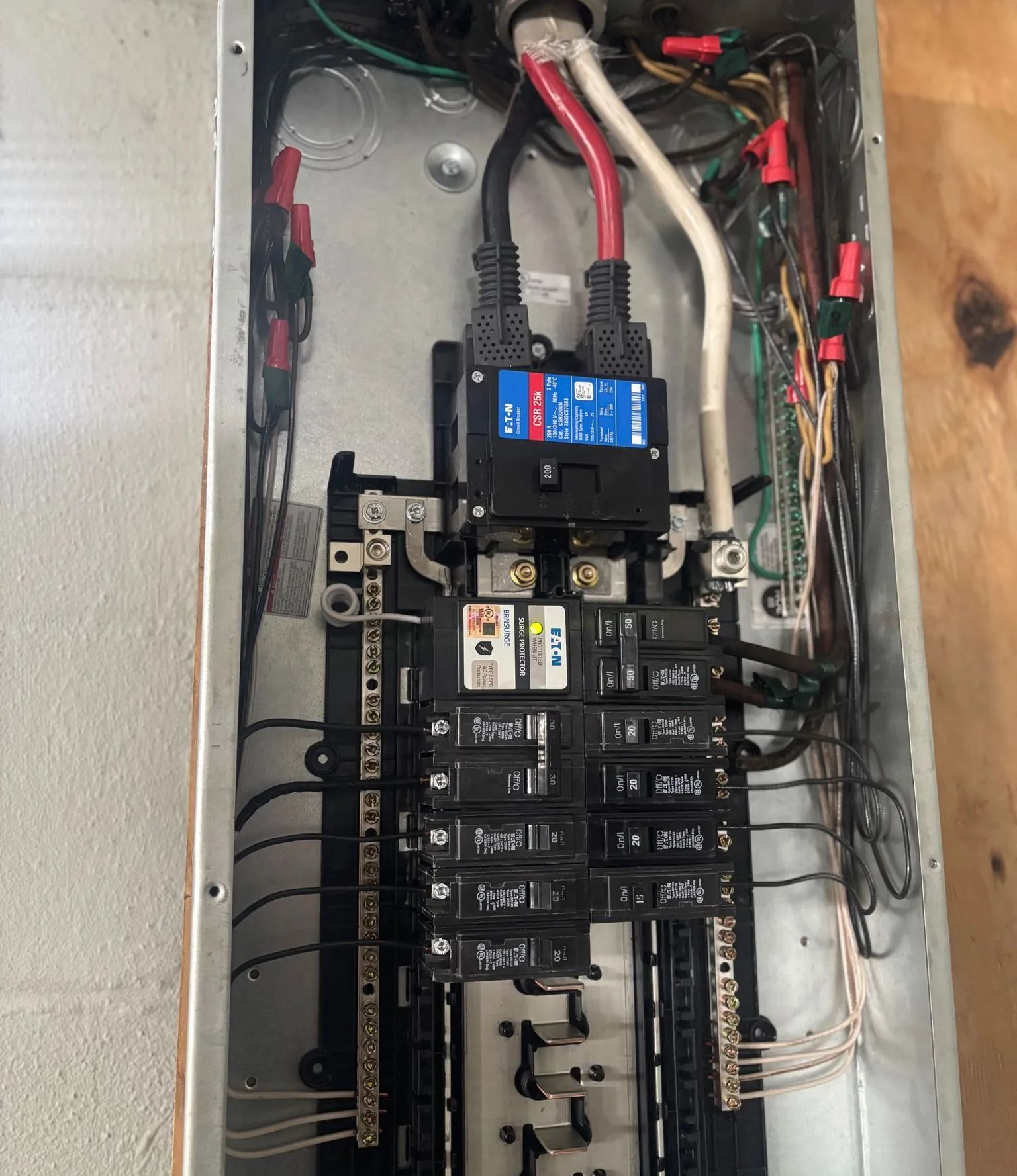
A panel upgrade ensures that the electrical system aligns with current building codes and safety regulations. Modern panels are designed with advanced circuit protection, improved grounding systems, and higher capacity to accommodate today’s electrical loads. This upgrade reduces the likelihood of system failure and enhances overall household safety.
Electrical codes evolve to address emerging risks and technological changes. By upgrading, homeowners not only improve safety but also avoid complications during future inspections, home sales, or insurance evaluations.
Greater Capacity for Modern Appliances and Future Expansion
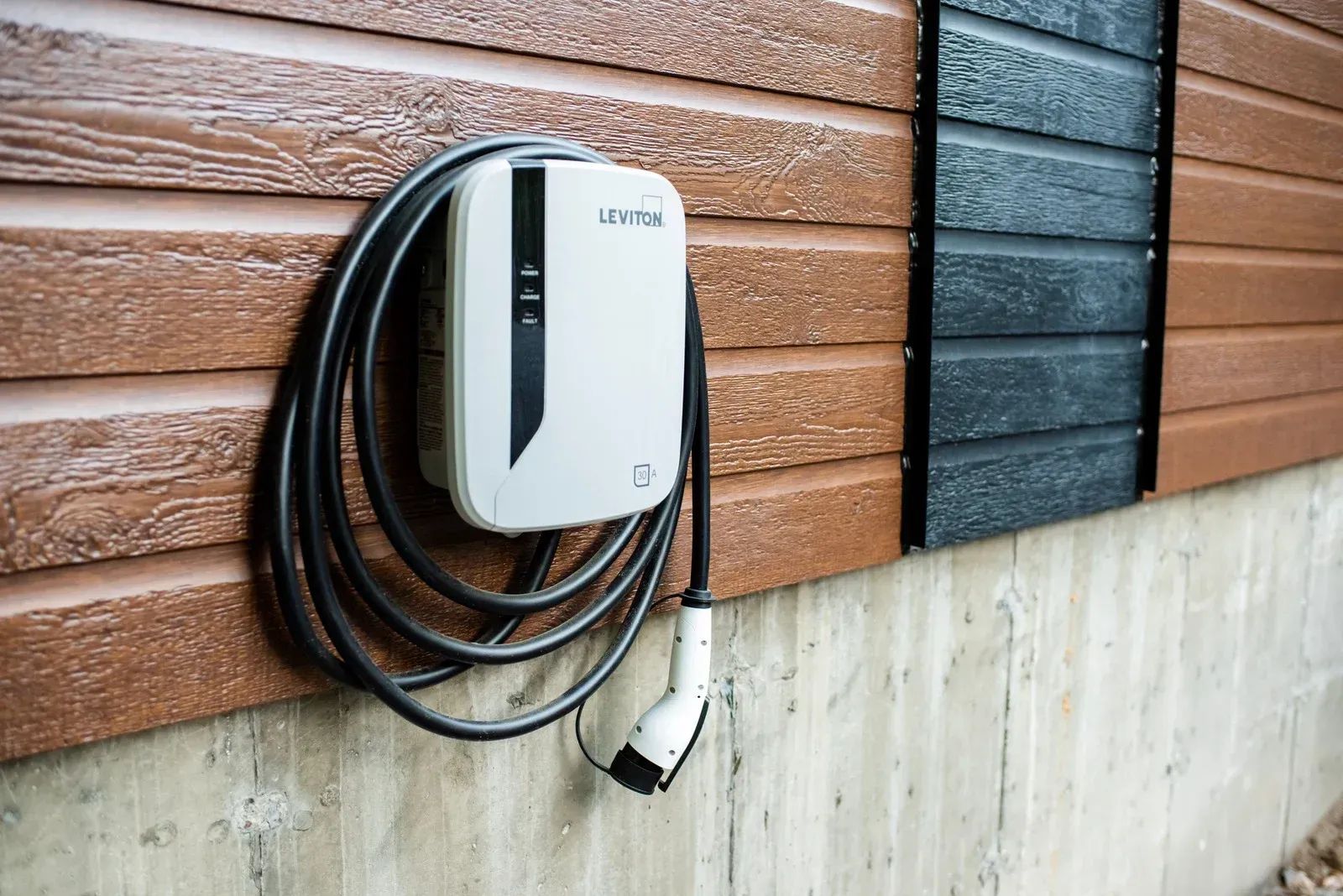
Today’s households often continue to add new electrical loads over time, from kitchen remodels to electric vehicle chargers and home office setups. A modern panel provides the additional capacity needed to support these upgrades without requiring constant circuit management or risking overloads.
Upgrading also allows for better circuit organization and labeling, making it easier to troubleshoot issues and manage power distribution effectively.
Increased Property Value and Market Appeal
Prospective buyers increasingly pay attention to the condition of a home’s electrical system. A recently upgraded panel signals that the property has been well maintained and is capable of supporting modern technology. This reassurance can positively influence buyer confidence and may contribute to smoother real estate transactions.
Homes with outdated electrical systems may face inspection issues or require last-minute negotiations during sales. Addressing panel concerns in advance helps avoid these complications and preserves property value.
Professional Electrical Solutions Backed by Proven Experience
For homeowners seeking reliable guidance and high-quality workmanship, XH Electric, LLC provides comprehensive electrical services tailored to the needs of older homes in Parma and surrounding areas. With 10 years of hands-on experience working with legacy electrical systems, we understand the unique challenges presented by aging panels, outdated wiring, and evolving code requirements. Our approach focuses on thorough inspections, transparent recommendations, and safe, efficient panel upgrades that align with modern electrical standards.
We prioritize clear communication throughout every stage of the process, ensuring that homeowners understand the condition of their current panel, the risks involved, and the available upgrade options. Whether the goal is to support a home renovation, add high-demand appliances, or address recurring electrical issues, we design solutions that enhance both safety and performance.
By combining technical expertise with a commitment to quality and compliance, we help homeowners transition from outdated electrical systems to modern panels that can safely support today’s energy needs. Choosing an experienced electrician ensures that every component is installed correctly, inspected thoroughly, and built to perform reliably for years to come.