Preparing Your Home's Electrical System for Fall & Winter in Parma
September 30, 2026
Tip: A simple way to keep it straight: liability = the other guy, and other coverages = you and your car. If you cause an accident, liability handles their injuries and their property; your own car and injuries are covered (if at all) by separate coverages like collision, other-than-collision, and medical coverages. When reviewing your policy, it's worth knowing not just that you have liability, but what other coverages you do or don't have, since that's what determines how well you're protected. An agent can walk you through exactly what's on your policy.
Warning: A burning smell or visible scorch marks at an outlet, switch, or panel is not a wait-and-see situation. Shut off power to that circuit at the breaker if you can safely reach it, and don't use that outlet again until it's been inspected. This is one of the more serious signs your electrical system took real damage.
A humming sound coming from an outlet or the panel itself is another one worth paying attention to, especially if it started right around the time of a storm.
Quick Answer: Preparing a home's electrical system for fall and winter in Parma starts with a professional inspection of the panel, breakers, and outlets before heating demand climbs. Furnaces and boilers should be checked on their dedicated circuits, and disconnect switches should be confirmed as accessible and functional. Smoke and carbon monoxide detectors need fresh batteries and a monthly test, since national data shows that heating fires and carbon monoxide deaths both rise once cold weather sets in. Homeowners in older Cuyahoga County homes should also confirm GFCI and AFCI protection is in place and consider whole-home surge protection before winter storm season arrives. Completing this work in October or early November, rather than waiting for the first freeze, gives an electrician time to correct any issues before the system is carrying full seasonal load.
By late October, most furnaces across Parma have already clicked on for the first time since spring. That first cycle runs through a blower motor, a run of thermostat wiring, and a breaker that have all sat idle for months, and it happens during the exact stretch of the year when heating equipment problems and electrical fires begin climbing. The National Fire Protection Association reports that nearly half of all home heating equipment fires occur between December and February, and federal carbon monoxide data shows that a large majority of accidental CO deaths happen between September and April, the same transition window when furnaces and portable heating equipment return to daily use.
For homeowners across Cuyahoga County, many of them living in houses built decades before modern heating and cooling loads were standard, fall is the window to find and correct problems before a system runs at full demand around the clock. A loose panel connection, an undersized circuit feeding a newer furnace blower, or a corroded outdoor outlet rarely causes trouble in September. By January, under sustained winter load, those same weak points are far more likely to trip breakers, overheat, or fail outright.
Why Fall Is the Right Time for an Electrical Check
The Seasonal Risk Curve
Heating equipment fires do not spread evenly across the year. NFPA data covering recent years shows an annual average of roughly 37,000 home heating equipment fires, with close to half concentrated in December, January, and February alone. That pattern points to a clear cause: heating systems, wiring, and circuits that sit unused for months are suddenly asked to run continuously, and any weakness that developed during the off-season shows up fast once the load arrives.
The Carbon Monoxide Connection
Federal data compiled from CDC and Consumer Product Safety Commission sources shows that roughly 84 percent of accidental carbon monoxide deaths occur between September and April, a window the CPSC directly ties to increased furnace and portable heater use during the colder and transitional months. Fall is when fuel-burning heating equipment and its supporting electrical components, including furnace igniters, blower controls, and detector circuits, first come back into regular use after months of inactivity.
A Narrower Repair Window Once Winter Arrives
Electricians and HVAC technicians both see demand rise sharply once temperatures drop, and outdoor electrical work becomes more difficult once ice and snow are on the ground. Scheduling an inspection in fall, while conditions are still manageable and technicians have more open availability, gives a home the best chance of having any issues addressed before the coldest stretch of the season sets in.
Pre-Winter Electrical Inspection Checklist
Panel And Breaker Review
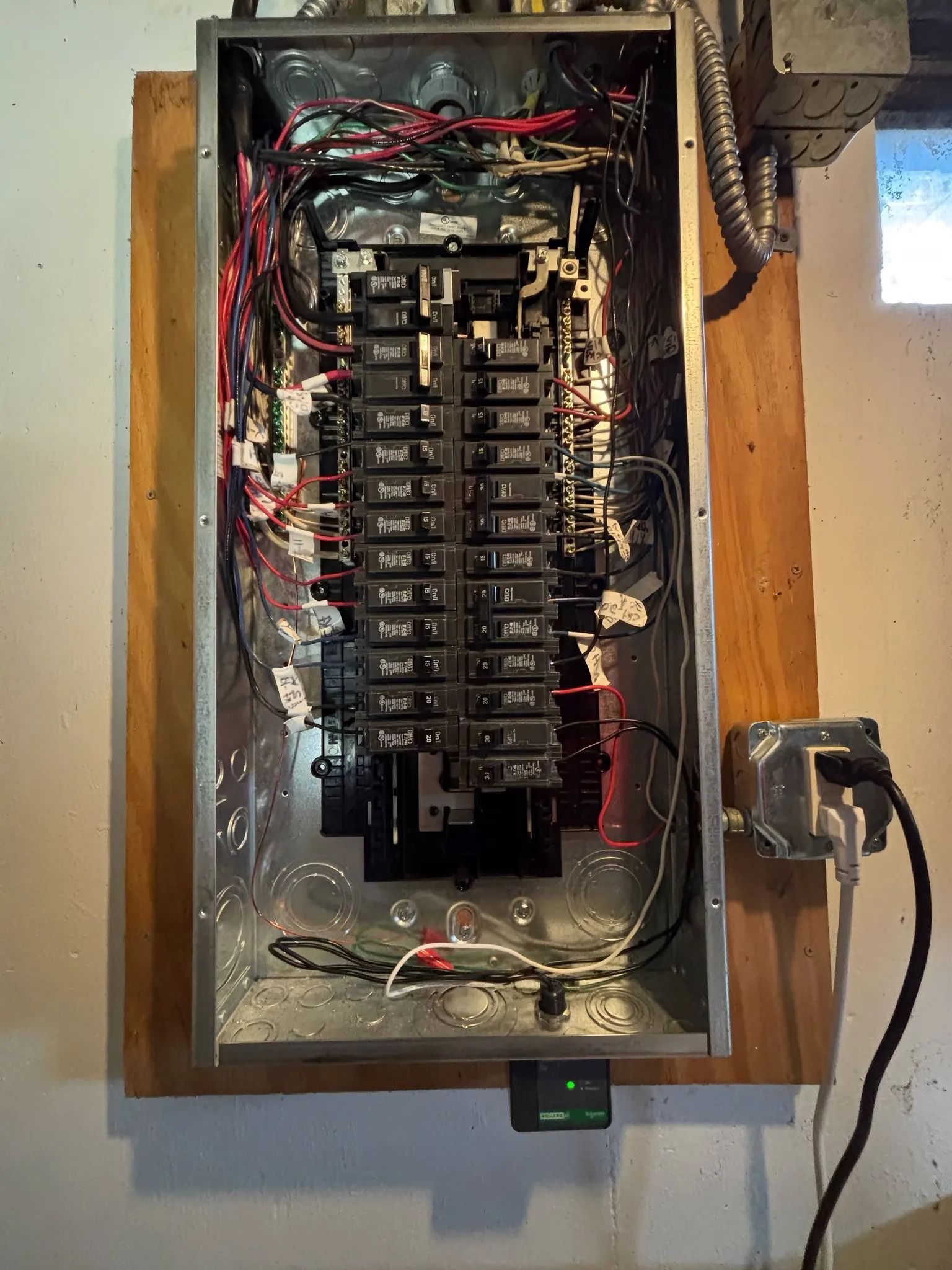
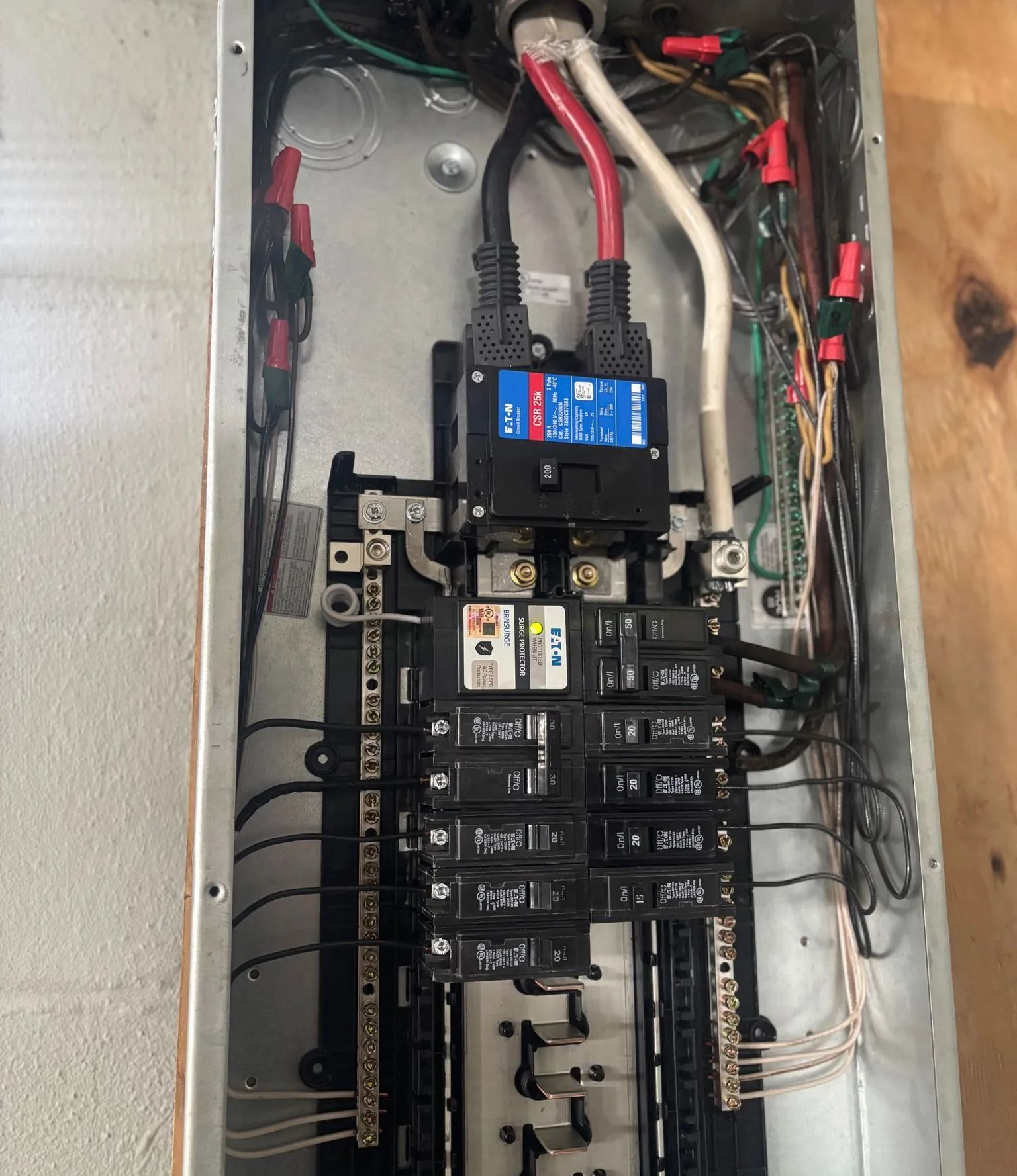
A visual and functional check of the main panel identifies rust, corrosion, discolored breakers, or a panel that is already operating near its rated capacity. Breakers that trip without an obvious cause, or a panel that feels warm to the touch near certain breakers, are signs worth flagging before heating equipment adds to the load.
Outlet And Switch Inspection
Outlets that feel warm, that no longer hold a plug securely, or that show scorch marks around the faceplate should be evaluated. These signs often point to loose wiring connections that worsen under the additional current draw of heaters, holiday lighting, and other seasonal equipment.
Wiring Signs Worth Watching
Flickering lights, a persistent burning smell near switches or outlets, and buzzing sounds from the panel are all indicators that a licensed electrician should troubleshoot the circuit before winter demand makes the underlying issue harder to trace.
Outdoor Circuits And Connections
Exterior outlets, outdoor lighting transformers, and any wiring exposed to the elements should be checked for weatherproof covers and secure connections before freezing temperatures and moisture increase the risk of corrosion or shorts.
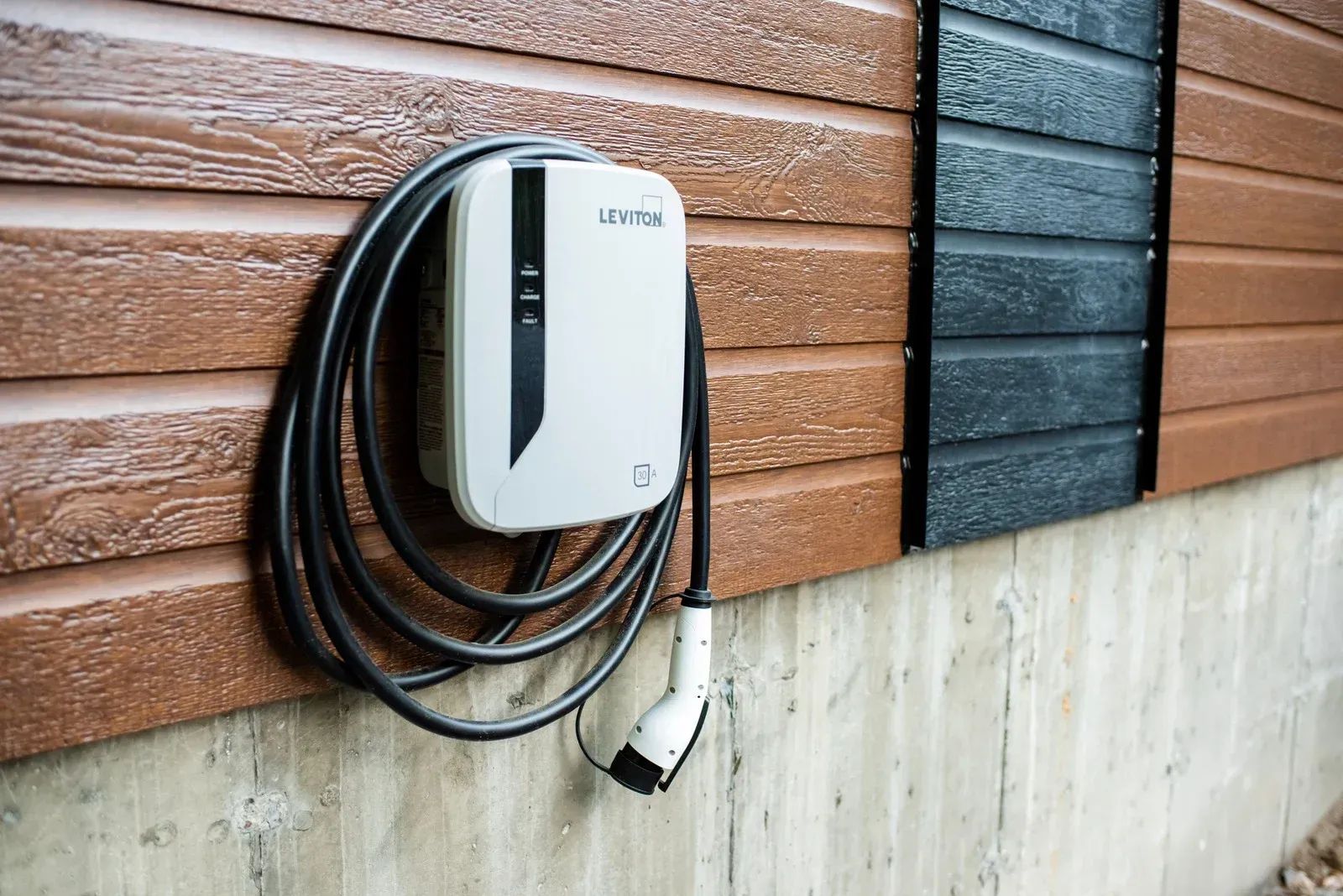
TIP: A pre-winter inspection is also the right time to have an electrician confirm the panel has enough open capacity for any heating equipment, EV charger, or generator transfer switch a homeowner is planning to add later in the season.
Getting Heating Systems Electrically Ready
Dedicated Circuits For Furnaces And Boilers
Furnaces, boilers, and their blower motors are generally designed to run on a dedicated circuit separate from lighting and general-use outlets. A furnace sharing a circuit with other household loads is more likely to trip breakers during heavy use, and an electrician can confirm the existing circuit still matches the equipment's rated draw, particularly after a furnace replacement or upgrade.
Furnace Disconnect Switches
Most furnaces have a dedicated disconnect switch nearby that allows power to be cut safely for maintenance. Before the heating season starts, this switch should be checked to confirm it is accessible, properly labeled, and functioning, since it is the first point of control if a technician needs to service the unit or if a homeowner notices a burning smell or unusual noise from the equipment.
Thermostat And Control Wiring
Thermostats, including smart thermostats installed in recent years, rely on low-voltage wiring connected back to the furnace control board. Loose or corroded connections at either end can cause a furnace to short-cycle or fail to respond to temperature changes, which is often mistaken for a thermostat problem rather than a wiring one.
Supplemental And Backup Heat
Homes that rely on space heaters, electric baseboard units, or a generator during outages should have those circuits reviewed separately from the primary heating system, since supplemental heating equipment draws its own load and needs its own safe, dedicated connection rather than sharing a circuit already carrying the furnace or other major appliances.
Safety Upgrades Worth Considering Before Winter
AFCI And GFCI Protection
Arc-fault circuit interrupters reduce the risk of fires caused by damaged or aging wiring, while ground-fault circuit interrupters protect against shock in areas exposed to moisture, including basements, garages, and exterior outlets. Homes without this protection on relevant circuits can have it added as part of an outlet and switch upgrade.
Whole-Home Surge Protection
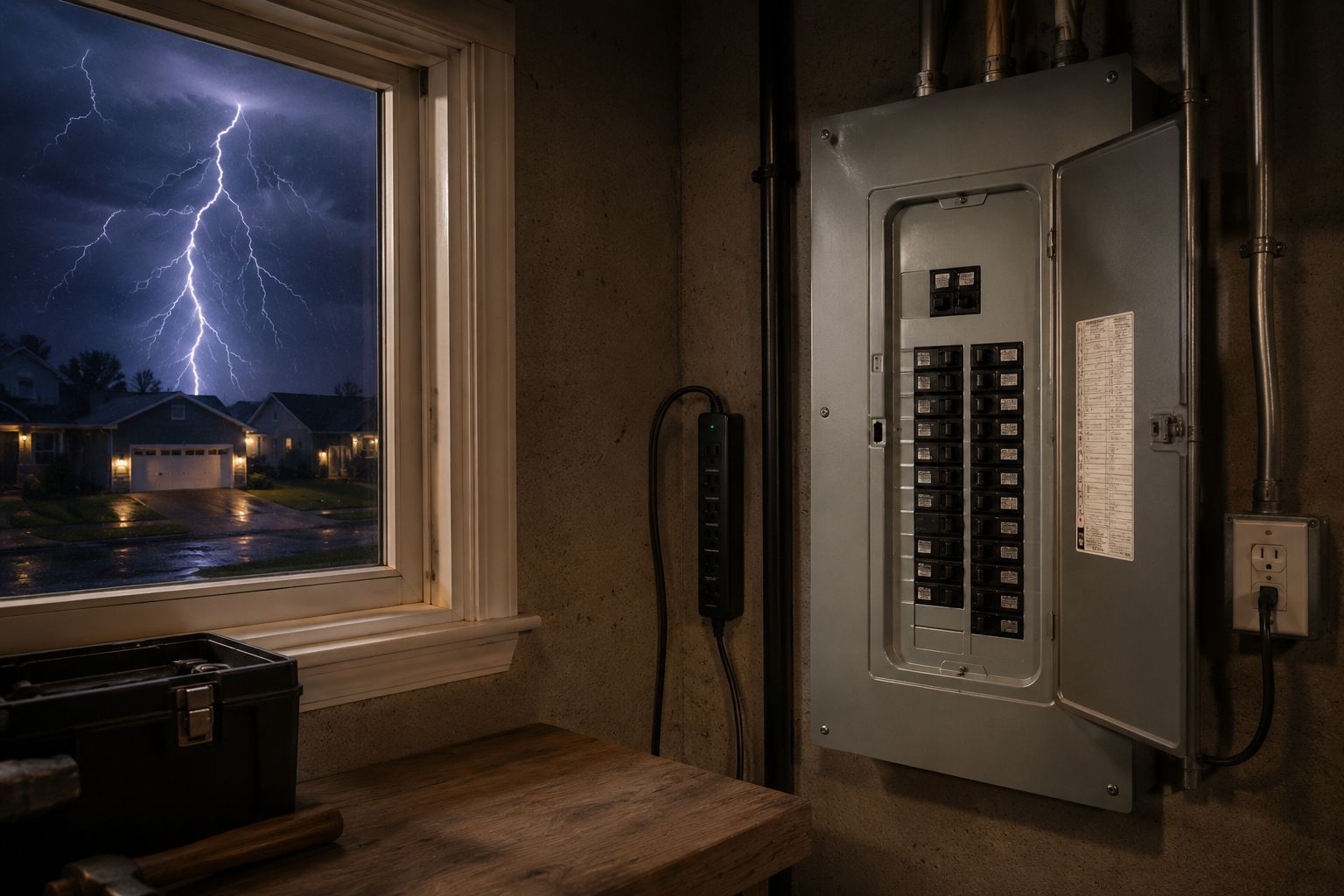
Winter storms bring a higher risk of power fluctuations and outages, and a whole-home surge protector installed at the panel helps shield furnaces, appliances, and electronics from the voltage spikes that often accompany storm-related grid disturbances.
Smoke And Carbon Monoxide Detectors
Detectors near sleeping areas and heating equipment should be tested monthly, with batteries replaced at least once a year and full units replaced according to the manufacturer's recommended service life. Given that carbon monoxide deaths climb sharply in the fall and winter months, this is one of the simplest and most effective seasonal safety checks a homeowner can complete.
Exterior Outlet Weatherproofing
Outdoor outlets should have in-use weatherproof covers rated for winter conditions, since standard flip covers do not fully protect against snow and ice buildup around an outlet in use.
WARNING: Furnace disconnect switches, panel work, and any wiring tied to gas or fuel-burning heating equipment should be handled by a licensed electrician. Working near an energized panel or a furnace's electrical connections without the right training carries a real risk of shock or fire.
Frequently Asked Questions
How often should a home's electrical panel be inspected before winter?
An annual inspection completed in fall, before heating equipment is running full-time, gives an electrician the chance to catch corrosion, loose connections, or capacity issues while conditions still allow for easy repairs.
Does a furnace need its own dedicated electrical circuit?
Most furnaces and boilers are designed to run on a dedicated circuit sized for their blower motor and controls. Sharing that circuit with other household loads increases the chance of nuisance tripping and makes it harder to isolate the cause when a breaker does trip.
What is the difference between AFCI and GFCI protection?
AFCI protection detects the electrical arcing associated with damaged wiring and helps prevent fires, while GFCI protection detects current leaking to ground and helps prevent shock, particularly in kitchens, bathrooms, basements, and outdoor circuits.
How can homeowners tell if their electrical system is not ready for winter?
Frequent breaker trips, flickering lights, warm outlets or switch plates, and a burning smell near the panel or heating equipment are all signs that a system should be evaluated before it is placed under full seasonal load.
When should smoke and carbon monoxide detectors be tested?
Detectors should be tested monthly year-round, with batteries changed at least once a year. Fall is a practical time to confirm every detector in the home is working, since it lines up with the season when both heating fires and CO incidents begin to rise.
A Parma Home Ready for Winter's Demands
Getting a home's electrical system ready for fall and winter comes down to catching small issues while they are still small. A panel checked in October, a furnace circuit confirmed before the first hard freeze, and detectors tested before the coldest months arrive all add up to a home that handles sustained winter demand without surprises. Addressing these details now, while the weather still allows for easy repairs, keeps a cold snap from turning into an unexpected and costly electrical problem.
With 10
years of experience serving Parma, OH, and the surrounding communities, XH Electric, LLC
works through pre-winter inspections, heating system circuit checks, and panel upgrades so homeowners are not troubleshooting an electrical problem in the middle of a cold snap. A little attention in fall goes a long way toward a season that stays warm, safe, and free of avoidable surprises, letting families settle into winter with one less thing to worry about.