EV Charger Installation for Homeowners in Northeast Ohio: What to Know
August 13, 2026
Tip: A simple way to keep it straight: liability = the other guy, and other coverages = you and your car. If you cause an accident, liability handles their injuries and their property; your own car and injuries are covered (if at all) by separate coverages like collision, other-than-collision, and medical coverages. When reviewing your policy, it's worth knowing not just that you have liability, but what other coverages you do or don't have, since that's what determines how well you're protected. An agent can walk you through exactly what's on your policy.
Warning: A burning smell or visible scorch marks at an outlet, switch, or panel is not a wait-and-see situation. Shut off power to that circuit at the breaker if you can safely reach it, and don't use that outlet again until it's been inspected. This is one of the more serious signs your electrical system took real damage.
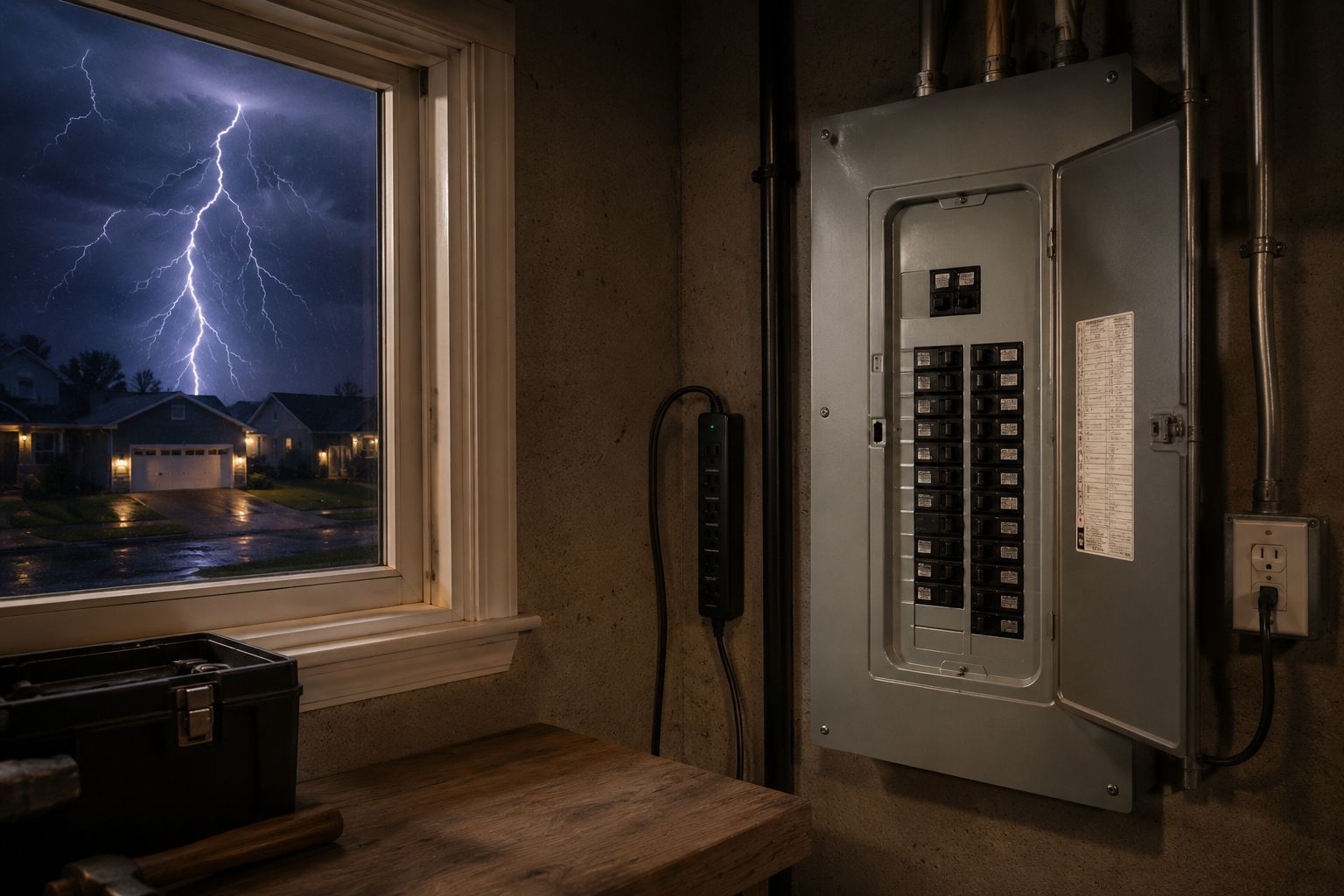
A humming sound coming from an outlet or the panel itself is another one worth paying attention to, especially if it started right around the time of a storm.
Quick Answer: A home EV charger installation in Northeast Ohio comes down to one core technical question: does your electrical panel have enough spare capacity to add a dedicated 240-volt circuit without overloading the rest of the house? Most homeowners end up choosing a Level 2 charger for realistic overnight charging speeds, which typically needs 40 to 60 amps on its own circuit. Newer homes with a 200-amp panel usually have room to spare. Older homes throughout Parma, Cleveland, and the surrounding suburbs, many still running on 100-amp service or less, often need a panel evaluation before a charger goes in. Getting that evaluated first, rather than assuming, is what actually determines how simple or involved the installation ends up being.
More driveways around Parma, Berea, and Strongsville have an EV parked in them than did even a couple of years ago, and the question homeowners are asking has shifted from "should I get one" to "what does my house actually need to charge it." That's a reasonable thing to want answered before signing off on any work, because a
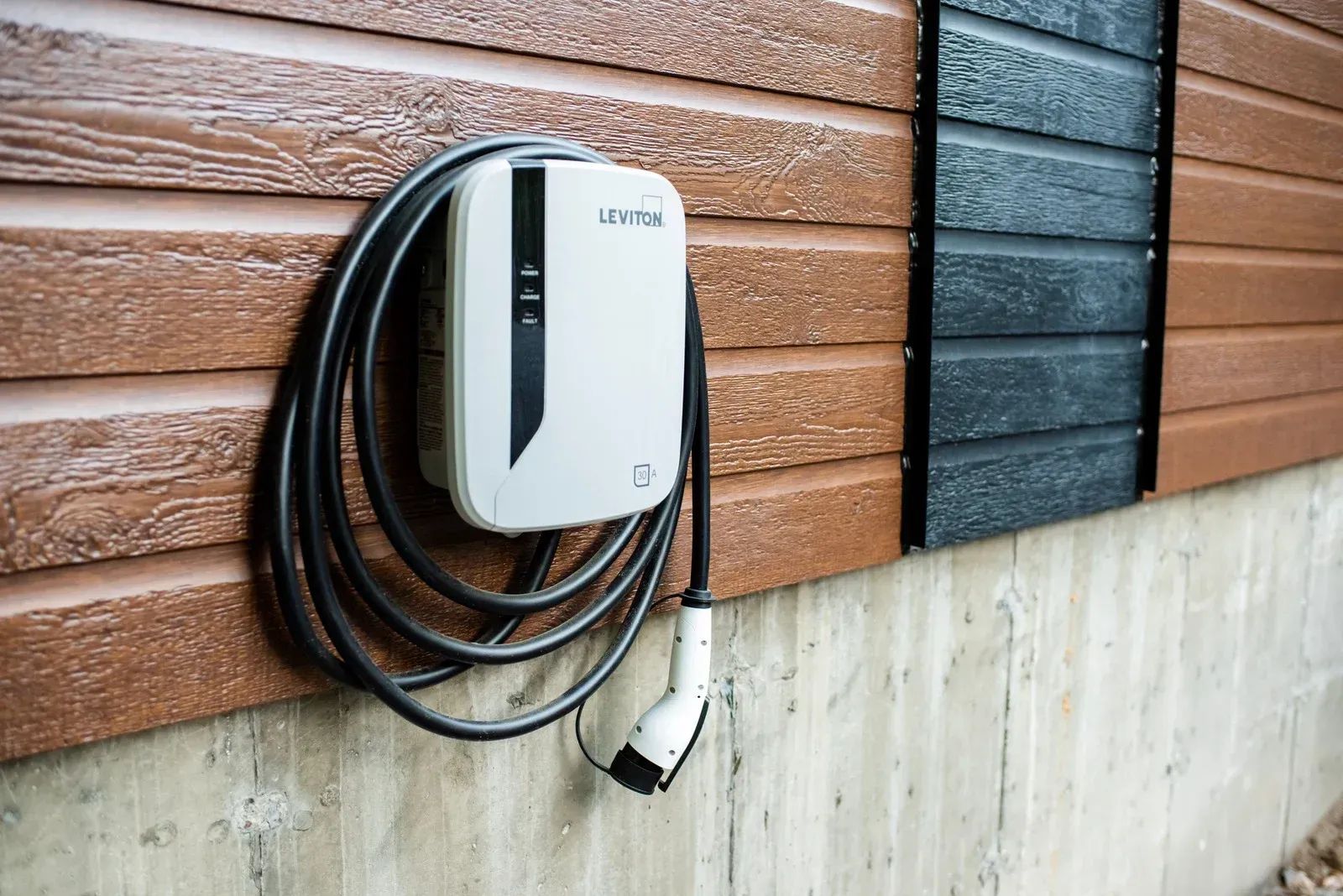
home EV charger installation isn't just mounting a box on the garage wall. It's an electrical project with real technical requirements behind it.
Why This Question Is Coming Up So Much Right Now
Electric vehicle ownership in Ohio has climbed past 126,000 registered vehicles, and that number keeps rising. The state is also putting real money behind charging infrastructure, with tens of millions in public and private funding going toward new fast-charging sites across the state, including planned locations in Broadview Heights and other Northeast Ohio suburbs. Ohio already operates numerous federally backed fast-charging stations, positioning the region as an early mover rather than a place playing catch-up.
Public charging infrastructure matters, but it doesn't replace what most EV owners actually rely on day to day, which is charging at home overnight. A public fast-charger is useful for a road trip or an emergency top-off. A home charger is what makes owning an EV genuinely convenient, and it's why the installation question keeps coming up as more Northeast Ohio households make the switch.
The Real Technical Question: Does Your Panel Have Room
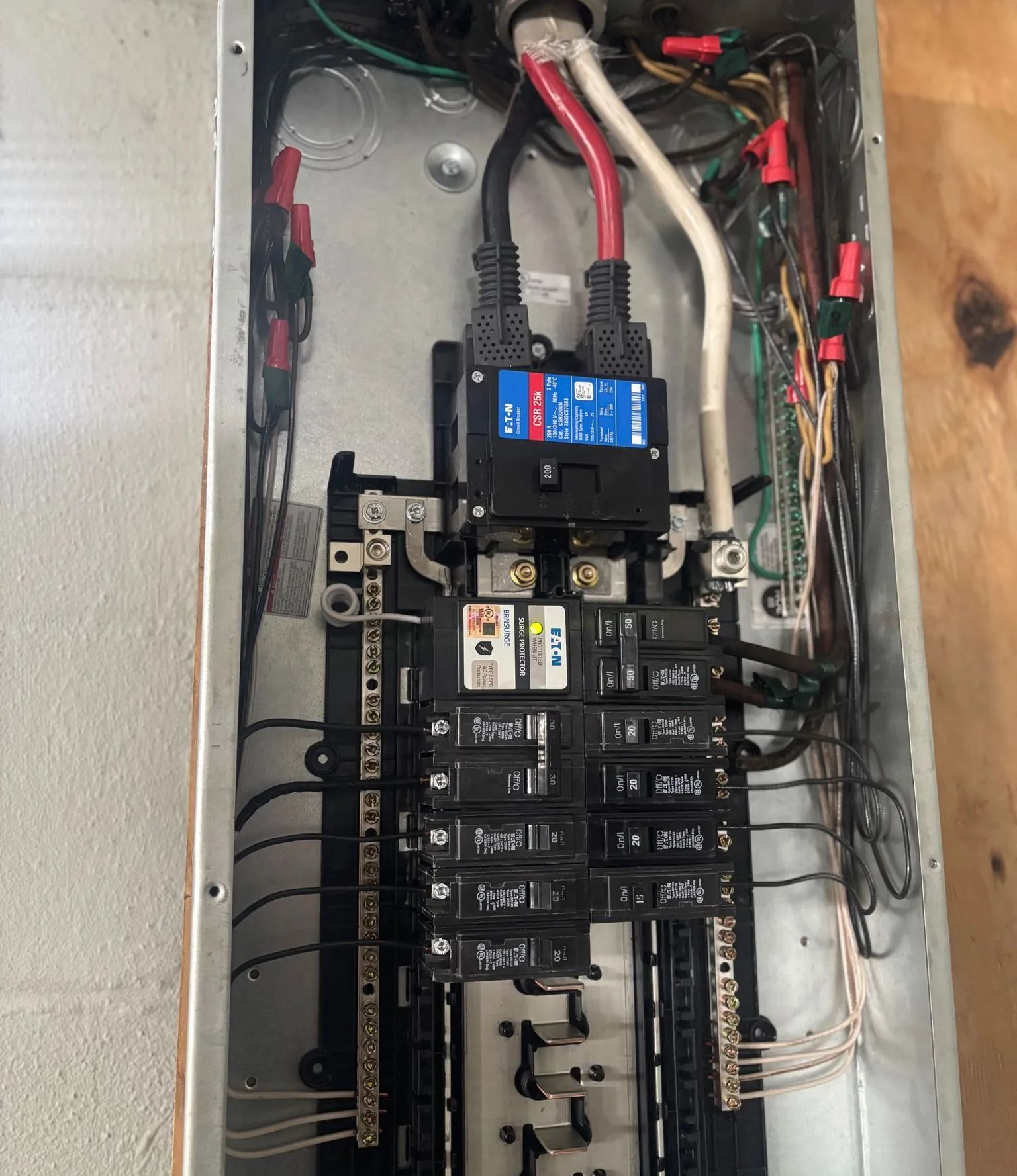
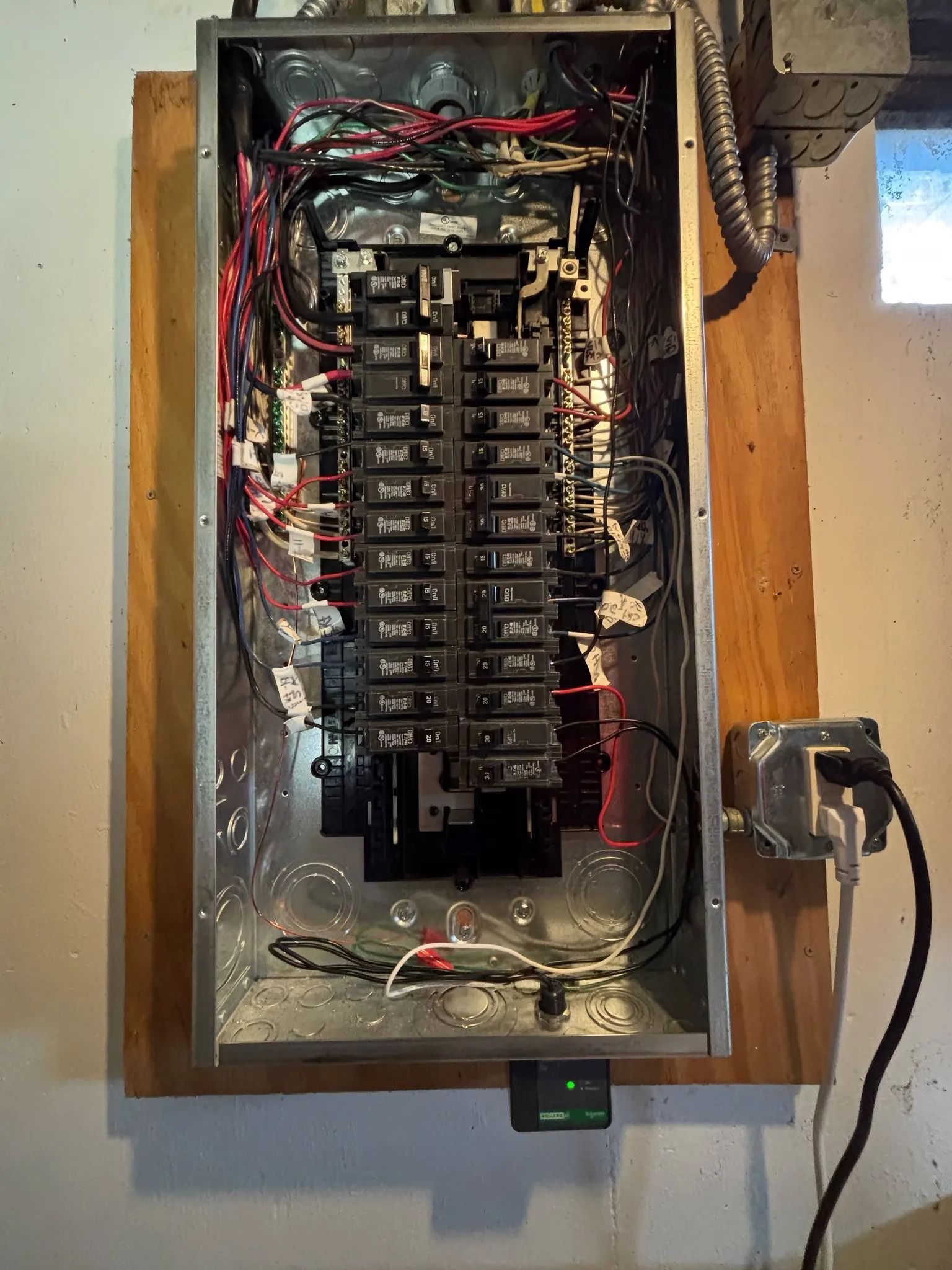
Before anything else gets decided, a licensed electrician needs to answer one question: how much spare electrical capacity does your home's panel actually have? This isn't about the charger itself. It's about everything else already pulling power in your house, from the furnace and water heater to the dryer and central air, and whether adding a charger on top of that load keeps the whole system safely balanced.
A 200-amp panel, common in newer construction, usually has enough headroom to add a dedicated EV circuit without much drama. A 100-amp panel, still common in homes built decades ago across Cuyahoga County, can sometimes handle it too, but it depends entirely on what else is drawing power in that house. And on the lower end, older services in the 60-amp range typically can't support a modern EV charger alongside everyday appliances without an upgrade first.
A load calculation is not a guess. An electrician doesn't estimate whether a panel can handle a charger by eyeballing it. They calculate the home's existing electrical demand, factoring in square footage, major appliances, and heating and cooling equipment, then compare that against what the panel is actually rated to deliver. That number is what determines whether a simple circuit addition is possible or whether a panel upgrade needs to happen first.
Level 1 or Level 2: A Quick Overview Before the Deeper Question
Most EVs come with a Level 1 cord that plugs into a standard 120-volt household outlet, and it works, technically. It's also painfully slow, often adding only a handful of miles of range per hour, which makes it impractical for anyone who drives more than a short commute. Level 2 charging runs on a 240-volt circuit instead, the same voltage class as an electric dryer or range, and delivers charging speeds that actually match how people use a vehicle day to day: plug in at night, wake up to a full charge.
That speed difference is why most homeowners who install a dedicated charger choose Level 2 rather than relying on the cord that came in the box. The tradeoff is that Level 2 requires its own dedicated circuit, sized specifically for the charger's amperage, which loops right back to the panel-capacity question above. Comparing the two options in more depth, including exactly which amperage and circuit breaker size a given charger needs, is worth its own conversation once the panel question is settled.
What a Proper Installation Actually Involves
Once the panel question is answered, the installation itself follows a fairly consistent process. An electrician runs a dedicated circuit from the panel to the charger location, sized to match the specific charger's amperage rather than a generic estimate. Grounding gets verified, since a poorly grounded circuit undermines the safety benefit of everything else done correctly. The charger itself gets mounted with attention to garage layout and driveway access, since cable strain and awkward reach create daily annoyances that are easy to avoid with a little planning upfront.
The last step is testing, not just flipping the breaker and calling it done. Voltage, grounding, and breaker function all get verified before the installation is considered complete, which catches issues while the electrician is still on site rather than after the first overnight charge.
When a Charger Was Installed Wrong
A charger that trips its breaker repeatedly, charges noticeably slower than the vehicle's rated speed, or runs warm to the touch at the outlet or connection point is signaling a problem, whether that's an undersized circuit, a loose connection, or a charger mismatched to what the panel can actually deliver. Those specific symptoms and what each one usually points to are worth a closer, dedicated look on their own. For now, the short version is that persistent problems after installation are not something to live with. They're worth a follow-up evaluation.
Frequently Asked Questions
How do I know if my panel can handle an EV charger without seeing an electrician first?
You can get a rough sense from the panel's rated amperage, listed on the main breaker, but a real answer requires an electrician's load calculation that accounts for everything else drawing power in the home. A 200-amp panel is usually a good sign. Anything at 100 amps or below is worth having evaluated before assuming either way.
Is a Level 2 charger overkill if I don't drive very far each day?
Not necessarily overkill, but it may be more capacity than you strictly need. Someone with a very short daily commute might genuinely be fine with Level 1 charging overnight. Anyone with a longer commute, multiple drivers sharing one vehicle, or a household planning to add a second EV usually finds Level 2 pays for itself in daily convenience.
Does an EV charger need its own breaker, or can it share one with the garage?
It needs its own dedicated breaker and circuit, sized specifically for the charger's amperage. Sharing a circuit with garage lighting, a door opener, or other outlets creates the exact kind of overload risk that a dedicated circuit is designed to prevent.
Will adding an EV charger affect the rest of my home's electrical system?
It shouldn't, as long as the panel has adequate capacity and the installation is done correctly. That's the entire point of the load calculation and dedicated circuit: keeping the charger's demand from interfering with everything else the home already runs on.
How long does a typical home EV charger installation take?
For a home with adequate panel capacity, a single day is typical, including running the circuit, mounting the charger, and completing final testing. If a panel upgrade turns out to be necessary first, that adds its own separate timeline before the charger installation itself begins.
Can I add a second EV charger later if my household adds another electric vehicle?
Often, yes, but it depends on how much spare capacity was left after the first installation. This is worth mentioning during the initial evaluation if a second vehicle is even a possibility down the road, since planning for it upfront is far simpler than retrofitting a panel a second time.
Planning Ahead Makes Home Charging Much Easier
Installing a home EV charger becomes much more straightforward once the electrical system has been properly evaluated instead of relying on assumptions about panel capacity. Every home has different electrical demands, and factors such as panel size, existing appliances, and the age of the wiring all influence the safest installation approach. XH Electric, LLC has provided licensed electrical services for 10 years in Parma, OH, helping homeowners understand what their existing systems can realistically support before any new equipment is added.
As electric vehicles become more common across Northeast Ohio, thoughtful planning helps homeowners avoid unnecessary upgrades, unexpected delays, and future limitations. A properly sized circuit, accurate load calculation, and professional installation create a charging setup that fits naturally into everyday life while supporting long-term electrical reliability. Whether a home is newer or several decades old, understanding the system first allows future charging needs to be accommodated safely and efficiently as household demands continue to evolve.