Spring Home Electrical Checklist: What to Inspect After Ohio's Winter
April 30, 2026
After a long and often harsh winter, spring becomes a critical time to evaluate a home’s electrical system. In regions like Ohio, freezing temperatures, snow accumulation, and seasonal storms can quietly strain wiring, fixtures, and outdoor electrical components. Ice buildup, fluctuating temperatures, and moisture intrusion may not cause immediate failures, but they often leave behind hidden risks that surface once the weather warms. Addressing these issues early helps prevent safety hazards, unexpected outages, and costly repairs during the busy spring and summer months.
A structured spring electrical checklist ensures that no essential component is overlooked. From inspecting storm-related damage to identifying moisture-related corrosion, homeowners can proactively safeguard systems before increased usage begins. Warmer months typically bring higher electrical demand due to cooling systems, outdoor equipment, and renovations. Taking the time to assess and maintain electrical infrastructure not only enhances efficiency but also extends the lifespan of critical components. By focusing on key inspection areas and following best practices, homeowners can transition confidently into spring with a safer, more reliable electrical system.
1. Assessing Storm Damage to Electrical Systems
Identifying Visible and Hidden Issues
Winter storms can place significant stress on electrical systems, particularly through heavy snow, ice accumulation, and strong winds. The most visible signs of damage often appear outdoors, including broken light fixtures, sagging wires, or damaged electrical panels. However, not all issues are immediately noticeable. Internal wiring may experience stress from temperature fluctuations, leading to insulation cracks or loose connections that develop over time.
A thorough inspection should begin with exterior components. Check service lines for sagging or fraying and ensure that mounting brackets remain secure. Outdoor outlets and lighting fixtures should be examined for cracks or water intrusion. If a circuit breaker trips frequently after winter, it may indicate underlying damage caused by storms.
Best Practices for Safe Inspection
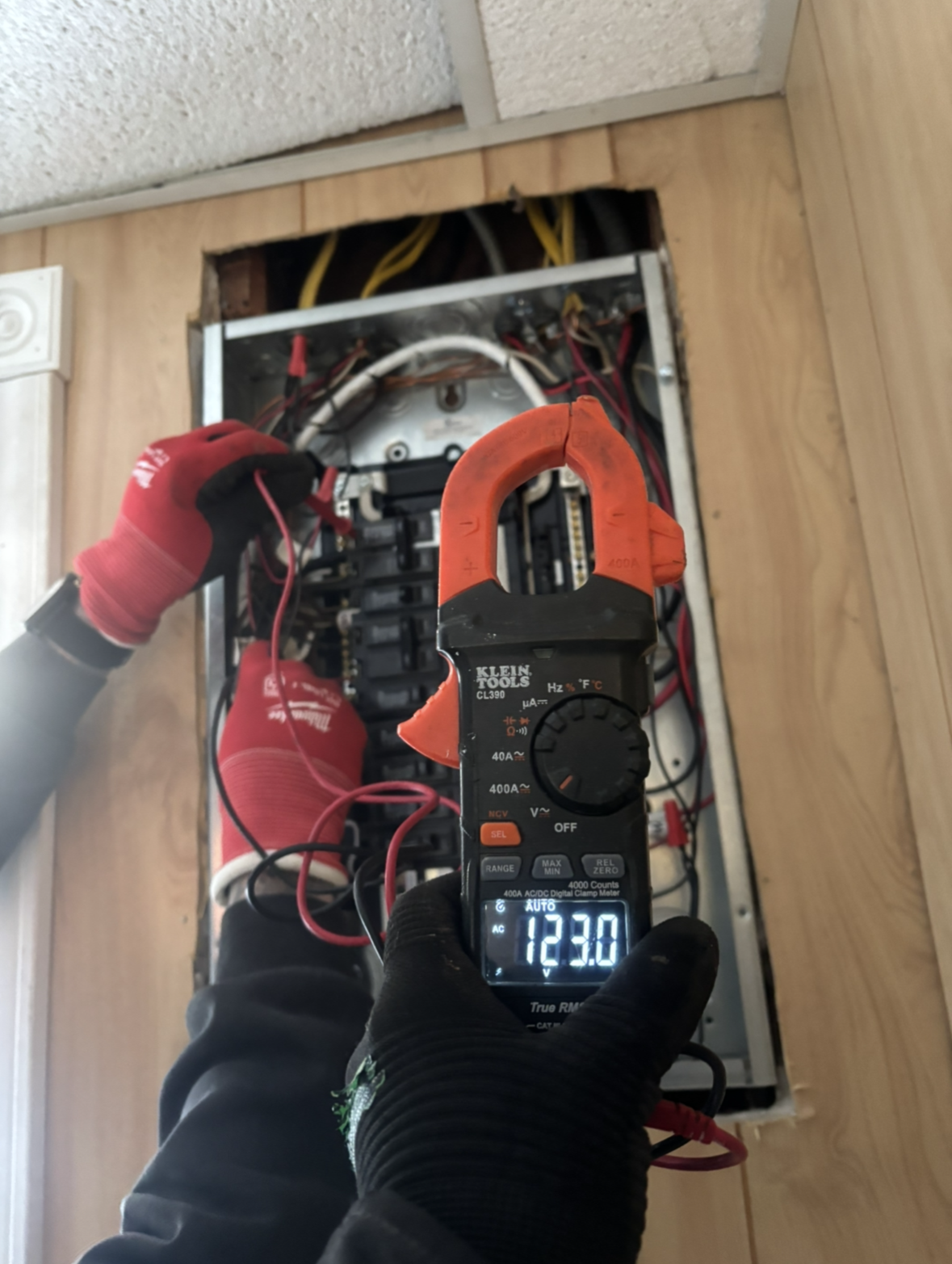
Safety should always come first when evaluating storm damage. Avoid touching exposed wires or attempting repairs without proper expertise. Instead, focus on visual inspections and note any irregularities such as flickering lights, buzzing sounds, or unexplained power interruptions. These signs often point to deeper issues requiring professional attention.
Timely identification of storm damage prevents minor issues from escalating into major electrical failures. Addressing these concerns early also ensures that the system can handle increased usage during warmer months without unexpected disruptions.
2. Detecting Moisture and Water-Related Electrical Risks
Understanding Moisture Impact on Electrical Components
Moisture is one of the most common and dangerous threats to electrical systems after winter. Melting snow, ice dams, and seasonal rain can introduce water into areas that should remain dry. Over time, this exposure can lead to corrosion, short circuits, and insulation breakdown. Basements, crawl spaces, and outdoor electrical boxes are particularly vulnerable to moisture accumulation.
Water intrusion often goes unnoticed until it causes functional issues. Signs to watch for include rust on electrical panels, discoloration around outlets, and a musty odor near wiring areas. Ground Fault Circuit Interrupters (GFCIs) may trip more frequently when moisture is present, serving as an early warning sign of potential hazards.
Preventive Measures and Maintenance
To reduce moisture-related risks, ensure that all outdoor electrical boxes are properly sealed and weatherproof. Inspect seals around conduit entries and replace any worn or damaged gaskets. Indoor areas prone to dampness should be equipped with proper ventilation or dehumidifiers to maintain a dry environment.
Routine checks of GFCI outlets are essential during spring. Test each unit to confirm proper functionality and replace any that fail to respond correctly. Addressing moisture issues promptly not only protects electrical components but also minimizes the risk of electrical shock and fire hazards.
3. Evaluating Electrical Panels and Circuit Breakers
Signs of Wear After Winter
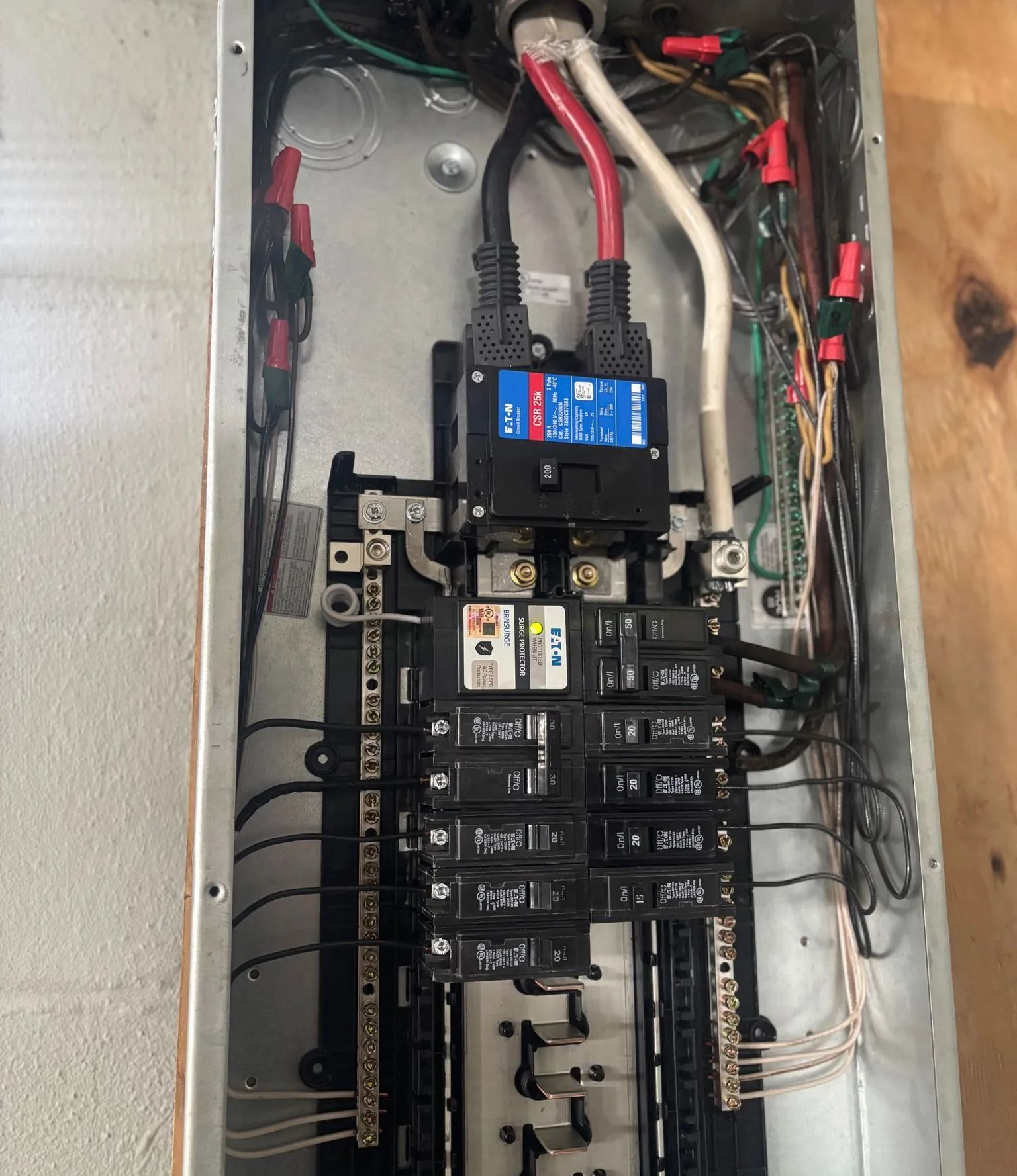
Electrical panels serve as the central hub of a home’s power distribution, making their condition especially important after winter. Cold temperatures and increased electrical usage during the season can strain circuit breakers and connections. Over time, this stress may result in worn components, loose wiring, or reduced efficiency.
Common indicators of panel-related issues include breakers that trip frequently, a burning smell near the panel, or visible discoloration. These signs should never be ignored, as they often signal overheating or potential failure. Even subtle issues, such as difficulty resetting a breaker, can point to underlying problems that require attention.
Ensuring System Reliability
Spring is an ideal time to test the functionality of all breakers and ensure that the panel is free from dust and debris. Keeping the panel clean helps prevent overheating and improves overall performance. Labeling circuits clearly also enhances safety and convenience, especially during emergencies or maintenance tasks.
Upgrading outdated panels may be necessary for homes with increasing electrical demands. Modern appliances, HVAC systems, and smart home devices require reliable power distribution.
Ensuring that the panel can handle these demands reduces the likelihood of overloads and improves overall system efficiency.
4. Inspecting Outdoor Electrical Components and Lighting
Addressing Seasonal Wear and Tear
Outdoor electrical systems face the brunt of winter conditions. Snow, ice, and freezing temperatures can damage fixtures, wiring, and connections. As spring arrives, these components should be carefully inspected to ensure they remain safe and functional.
Start by examining outdoor lighting fixtures for cracks, corrosion, or loose connections. Pathway lights, security lighting, and decorative fixtures should all be tested for proper operation. Outlets used for seasonal decorations or equipment may also show signs of wear and should be checked for damage or moisture intrusion.
Preparing for Increased Outdoor Usage
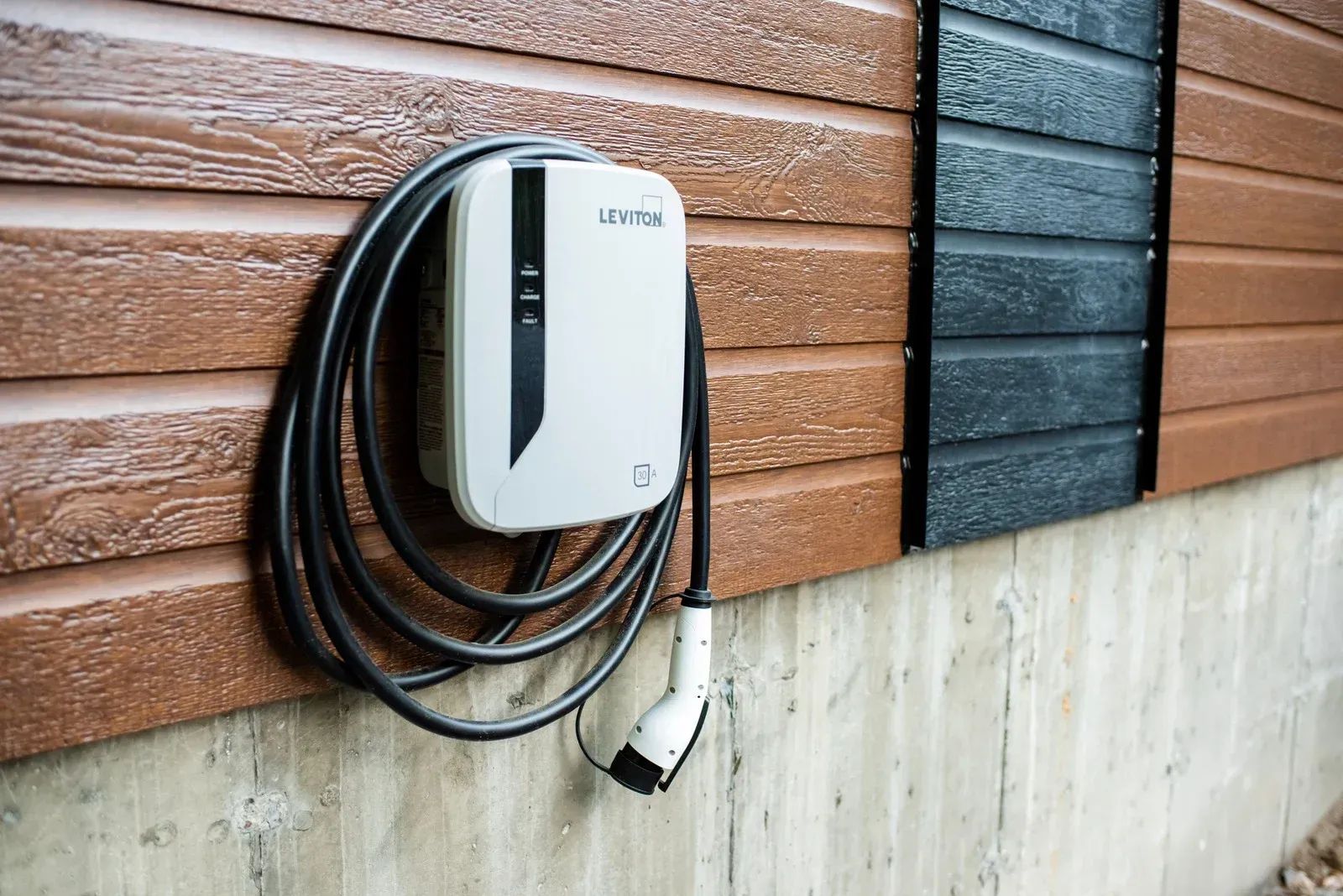
Warmer weather often brings increased reliance on outdoor electrical systems, including landscaping tools, lighting, and entertainment setups. Ensuring that all components are in good condition helps prevent interruptions and enhances safety.
Consider upgrading to weather-resistant fixtures and covers to provide additional protection against spring rain and humidity. Regular maintenance of outdoor systems not only improves functionality but also extends the lifespan of electrical components exposed to the elements.
5. Preparing for Higher Energy Demand in Warmer Months
Anticipating Seasonal Changes in Usage
As temperatures rise, electrical demand typically increases due to air conditioning systems, fans, and outdoor equipment. Preparing for this shift is a key part of a comprehensive spring checklist. Systems that performed adequately during winter may struggle under the added load of summer usage.
Begin by evaluating the capacity of existing circuits to handle additional appliances. Overloaded circuits can lead to frequent breaker trips and potential safety hazards. Identifying these issues early allows for necessary adjustments or upgrades before peak usage begins.
Energy Efficiency and Optimization
Spring is also an ideal time to improve energy efficiency. Replacing outdated fixtures with energy-efficient alternatives reduces overall consumption and lowers utility costs. Smart thermostats and energy monitoring systems provide greater control over usage and help identify areas for improvement.
Routine maintenance of major appliances, such as HVAC systems, ensures optimal performance and reduces strain on electrical components. By preparing for increased demand, homeowners can enjoy a more comfortable and efficient living environment throughout the warmer months.
6. Implementing Preventive Maintenance and Safety Upgrades
Strengthening System Longevity
Preventive maintenance plays a crucial role in maintaining the reliability and safety of an electrical system. Regular inspections and timely repairs help identify potential issues before they escalate into costly problems. Spring provides an opportunity to address wear and tear caused by winter and implement upgrades that enhance overall performance.
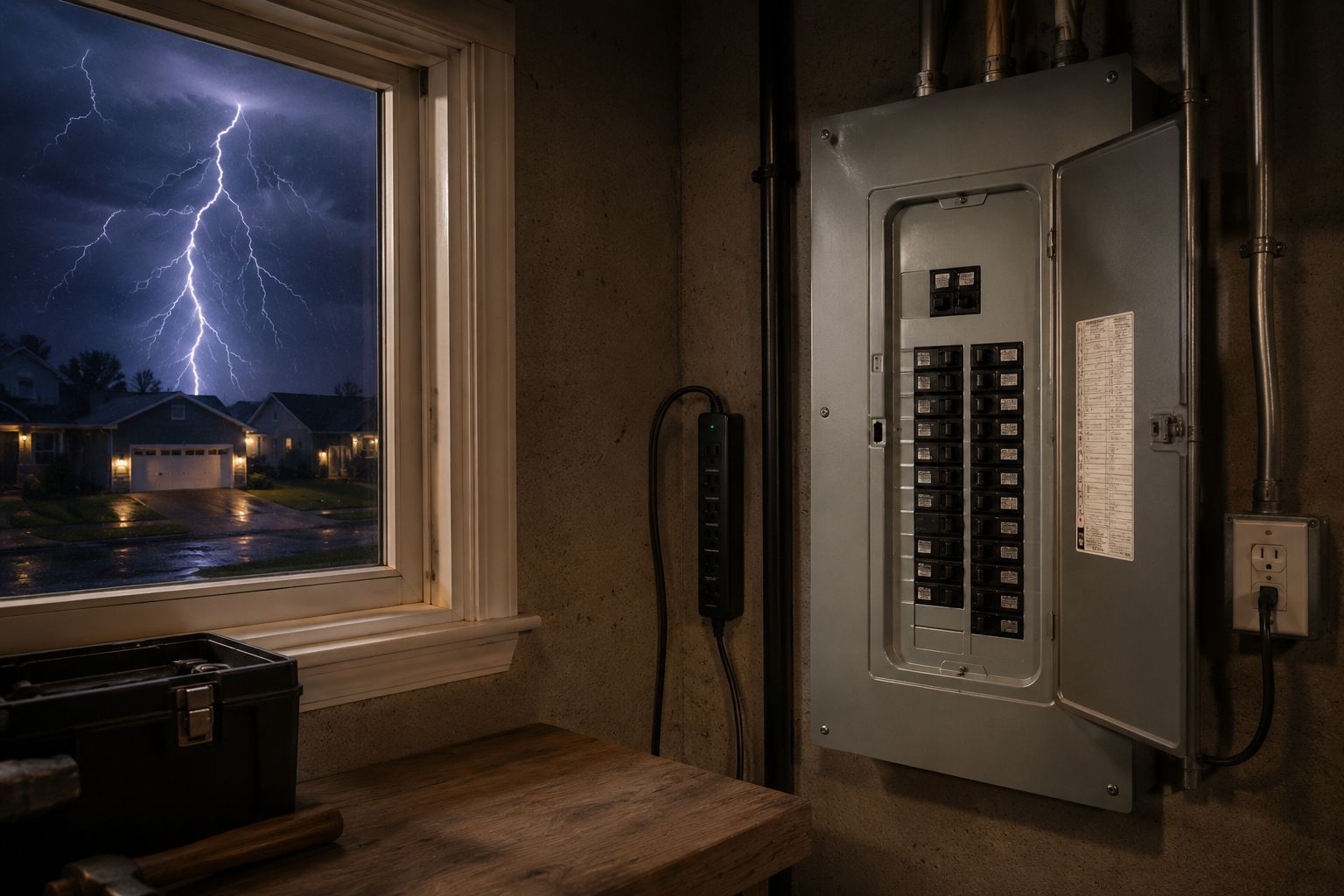
Consider installing surge protection devices to safeguard against power fluctuations, which are more common during spring storms. Whole-home surge protectors provide comprehensive protection for appliances and sensitive electronics. Additionally, upgrading outdated wiring or outlets improves safety and ensures compliance with current standards.
Building a Proactive Maintenance Routine
Establishing a routine maintenance schedule helps keep electrical systems in optimal condition year-round. Periodic inspections, testing of safety devices, and prompt attention to any irregularities contribute to long-term reliability. Educating household members about basic electrical safety practices also reduces the risk of accidents.
Taking a proactive approach to maintenance not only enhances safety but also provides peace of mind. A well-maintained electrical system supports daily activities without interruption and reduces the likelihood of unexpected failures during critical times.
Reliable Electrical Professionals Focused on Spring Home Safety
Spring presents a valuable opportunity to evaluate and maintain a home’s electrical system after the challenges of winter. From identifying storm damage to addressing moisture-related risks, each step in a comprehensive checklist contributes to a safer and more efficient home. Regular inspections of panels, outdoor components, and wiring help detect hidden issues before they escalate, while preparation for increased energy demand ensures reliable performance during warmer months.
By prioritizing preventive maintenance and timely upgrades, homeowners can extend the lifespan of electrical systems and reduce the risk of unexpected failures. A proactive approach not only enhances safety but also improves energy efficiency and overall comfort. Investing time in a thorough spring electrical inspection ultimately provides long-term benefits and peace of mind as the seasons change.
For homeowners seeking dependable expertise, XH Electric, LLC
stands as a trusted authority in the electrical industry. With 10
years of experience serving Parma, Ohio, a strong commitment to safety, precision, and customer-focused service defines every project. From detailed spring inspections to addressing storm damage and moisture-related concerns, comprehensive solutions ensure electrical systems remain reliable and efficient year-round. A focus on quality workmanship and industry best practices allows homeowners to confidently prepare for seasonal transitions while maintaining the highest standards of safety and performance.